When Is the Best Season for Exterior Painting in Joondalup?
Timing matters when it comes to exterior painting. Paint needs https://housepaintersjoondalup.com.au/commercial-painting/ the right temperature, humidity and dry conditions to cure properly, and the weather in Joondalup, on Perth's northern coast, shapes how well a finish looks and how long it lasts. For homeowners and property managers, choosing the right season can mean the difference between a durable coating and one that blisters, peels or fades within a few years. This guide explains how Joondalup's Mediterranean climate affects exterior painting, which months generally work best, and how to plan your project in 2026.
Understanding Joondalup's Climate
Joondalup has a Mediterranean climate with hot, dry summers and mild, wetter winters. Most of the region's rainfall arrives between May and September, while summer from December to February is dominated by high temperatures, strong UV radiation and the afternoon sea breeze known locally as the "Fremantle Doctor." Because the suburb is close to the coast, salt-laden air also affects metal, masonry and painted surfaces over time.
Each of these factors influences exterior paint application:
- Temperature: Most acrylic exterior paints perform best when applied between roughly 10°C and 30°C. Extreme heat makes paint dry too quickly, while cold conditions slow curing.
- Humidity and moisture: Damp surfaces trap moisture beneath the coating, leading to bubbling and poor adhesion.
- Wind: Strong coastal winds can carry dust and sand onto wet paint and speed up surface drying unevenly.
- UV exposure: Intense summer sun can degrade older coatings and cause rapid drying that affects finish quality.
The Best Seasons: Autumn and Spring
For most projects, the ideal windows for exterior house painting in Joondalup are autumn (March to May) and spring (September to November). These shoulder seasons offer a balance of moderate temperatures, lower humidity and relatively stable weather.
Autumn (March to May)
Early autumn is often considered the best time of year. The extreme summer heat has eased, surfaces have dried out after months of dry weather, and rainfall has not yet set in. Walls, fences and timber are typically at their driest, which is ideal for exterior paint preparation such as pressure washing, sanding and priming. Painting in early to mid autumn also means the new coating has time to cure before the winter rains arrive, improving exterior paint protection during the wettest months.
Spring (September to November)
Spring is the second-best window. Temperatures are warming but not yet extreme, and the ground and building surfaces are drying after winter. Early spring can still bring showers, so it is wise to allow flexibility in the schedule. Late spring generally provides the most reliable conditions, although it is worth completing the work before the peak heat of summer.
Painting in Summer
Summer is certainly possible in Joondalup, and many projects are completed successfully between December and February. The long stretches of dry weather mean fewer rain delays. However, there are challenges:
- Surfaces exposed to direct sun can become extremely hot, causing paint to dry before it levels, which leaves brush marks, roller lines or lap marks.
- Rapid drying can reduce adhesion and compromise the finish.
- Painters often need to follow the shade around the building, starting on the east side in the morning and moving west later in the day.
- Hot, windy days increase the risk of dust contamination.
Experienced exterior painting specialists manage these issues by scheduling work during cooler early-morning hours, choosing paints formulated for high temperatures, and planning the sequence of elevations carefully.
Painting in Winter
Winter is generally the least suitable season for exterior work in Joondalup. Frequent rain, morning dew and higher humidity can interrupt the schedule and extend drying times. Paint applied to damp surfaces is prone to peeling, blistering and mildew growth. That said, Perth winters often include dry, clear spells, and a skilled contractor can take advantage of them. If you must paint in winter, keep these points in mind:
- Check the forecast for at least 48 hours of dry weather after application.
- Start later in the morning once dew has evaporated.
- Finish painting early enough in the afternoon for the coat to touch-dry before evening moisture.
- Allow longer recoat times between layers.
Season Considerations by Surface Type
Different surfaces respond differently to weather, so the best timing can vary depending on the material.
Brick, Render and Concrete
Brick exterior painting, concrete painting and concrete surface painting require surfaces to be thoroughly dry. Masonry absorbs moisture, and any trapped water can cause coatings to fail. Late summer and autumn are ideal because masonry has had time to dry out fully. Efflorescence, the white salt deposits common in coastal areas, should be treated and cleaned before any paint is applied.
Timber, Decks, Fences and Trim
Deck painting, fence painting and exterior trim painting benefit from dry weather, since timber swells with moisture and shrinks as it dries. Painting timber when it is stable helps prevent cracking and peeling. Autumn and spring are well suited to this work, and early morning starts in summer help avoid overheated boards.
Metal Surfaces and Anti-Corrosion Coatings
Because Joondalup is close to the coast, metal roofing, gutters, railings and fixtures are exposed to salt air. Anti-corrosion painting requires careful surface preparation, rust removal and the right primer. Dry, mild conditions allow these protective systems to cure properly. Applying coatings in autumn gives metal surfaces a stronger defence before winter moisture arrives.

Commercial and Industrial Exterior Projects
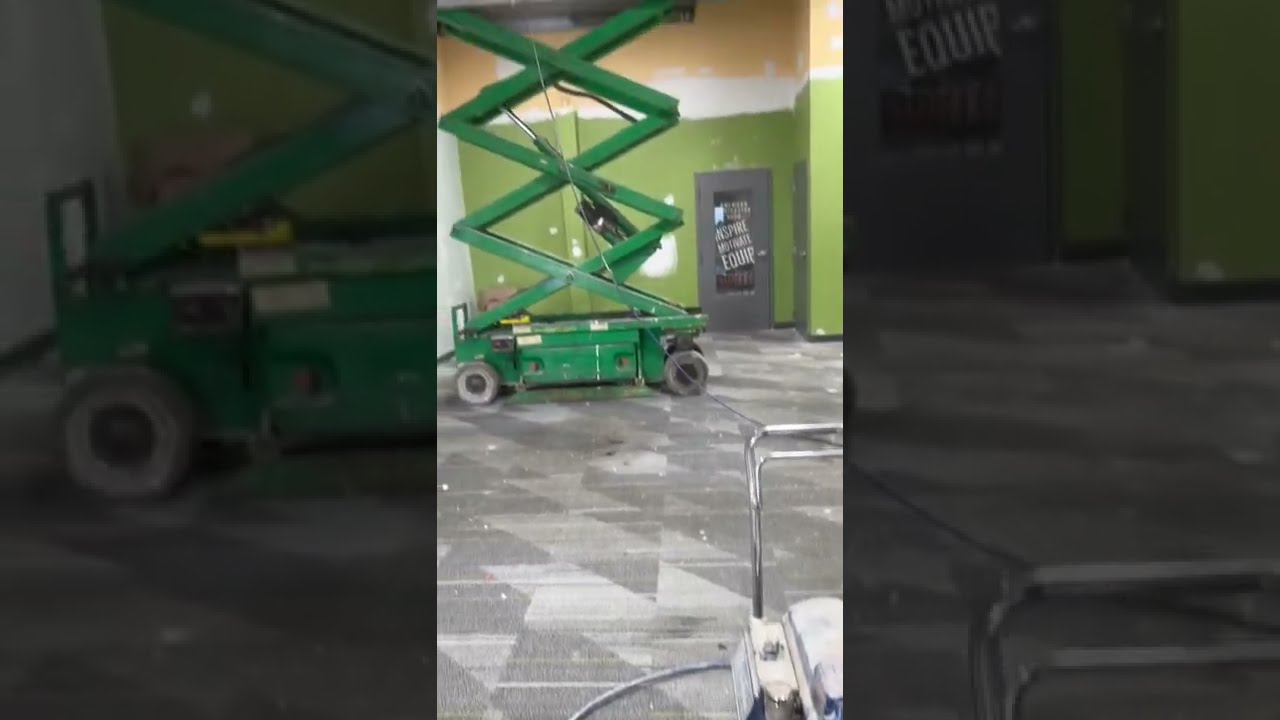
Businesses in Joondalup's commercial and light industrial areas have additional factors to consider. Exterior commercial painting often needs to be scheduled around trading hours, tenant requirements and access equipment such as scaffolding or elevated work platforms. Many commercial painting contractors recommend planning larger projects for autumn or spring, when weather is more reliable and the risk of delays is lower.
Larger properties may also include industrial equipment painting, epoxy floor painting in car parks or loading areas, and protective coatings for steel structures. While some of this work takes place indoors or under cover, any exterior component benefits from stable weather. When hiring certified commercial painters or a commercial painting company, ask how they manage weather risks, what commercial paint application methods they use, and what warranty applies to the finished work. Reliable commercial painting professionals will plan contingency days into the schedule and use high durability painting systems designed for the local climate.
How to Plan Your Exterior Paint Job
Good planning improves results regardless of season. The following steps help ensure a smooth project:
- Inspect early: Look for peeling, chalking, cracks, mould, rust and timber rot several months ahead of your preferred painting window.
- Book in advance: Autumn and spring are the busiest periods for house painting services, so request quotes early to secure a date.
- Prepare thoroughly: Washing, scraping, sanding, repairing and priming are critical. Poor exterior paint preparation is the most common cause of premature failure.
- Choose suitable products: Select paints rated for UV resistance, coastal conditions and your specific surface type.
- Monitor the weather: Allow flexibility for rain, extreme heat or strong winds, and avoid painting when dew or rain is forecast within the curing period.
- Plan aftercare: Schedule regular washing and inspections as part of ongoing exterior paint maintenance.
Eco-Friendly and Low-VOC Options
More Joondalup homeowners are choosing eco-friendly painting options, including low-VOC and water-based formulations. These products produce fewer fumes, are easier to clean up and perform well in the local climate when applied correctly. Weather conditions still matter, so the seasonal guidance above applies equally to environmentally friendly products. Many expert painting services now offer low-VOC ranges for both residential and commercial work.
Combining Exterior and Interior Work
Many property owners take the opportunity to coordinate exterior work with interior projects. Winter, when outdoor painting is less practical, is a sensible time for home interior painting, house interior painting, ceiling painting and decorative painting. Scheduling the interior work in the cooler months and the exterior work in autumn or spring spreads the workload through the year. Engaging expert interior painting and exterior teams from one provider can also simplify planning, and comprehensive painting solutions from a single contractor can keep colours, finishes and timelines consistent across the property.
How Often Should You Repaint?
In Joondalup's coastal conditions, a quality exterior paint job typically lasts between 7 and 12 years, depending on the product, surface preparation, orientation and exposure. North and west-facing walls take the most UV punishment and may need attention sooner. Salt air, sprinkler overspray and trees that hold moisture against walls can also shorten the life of a coating. Regular inspections each year, ideally in late summer or early autumn, help identify problems before they become expensive repairs.
Choosing the Right Painting Professional
Whether you need home exterior painting for a family residence or commercial painting services for a business premises, look for experienced painting professionals with local knowledge. Useful questions to ask include:
- Are they licensed, insured and able to provide references?
- How do they approach surface preparation for coastal conditions?
- Which products do they recommend, and what warranties apply?
- How do they handle weather delays and rescheduling?
- Can they demonstrate commercial painting expertise if you manage a larger property?
Established exterior painting specialists understand how Joondalup's weather affects every stage of the job, from preparation to final coat, and can advise on the best timing for your specific property.
Final Thoughts
For most Joondalup properties, autumn (March to May) and spring (September to November) are the best seasons for exterior painting, thanks to moderate temperatures, lower humidity and more predictable weather. Summer can work with careful scheduling, while winter calls for patience and close attention to forecasts. Whatever the season, thorough preparation, quality materials and skilled application are what ultimately protect your property. Start planning early in 2026, arrange a professional assessment, and book your preferred window so your home or commercial building has lasting protection and a fresh, attractive finish.
Joondalup Painting Experts
Joondalup Dr, Joondalup WA 6027, Australia
(08) 5122 5618